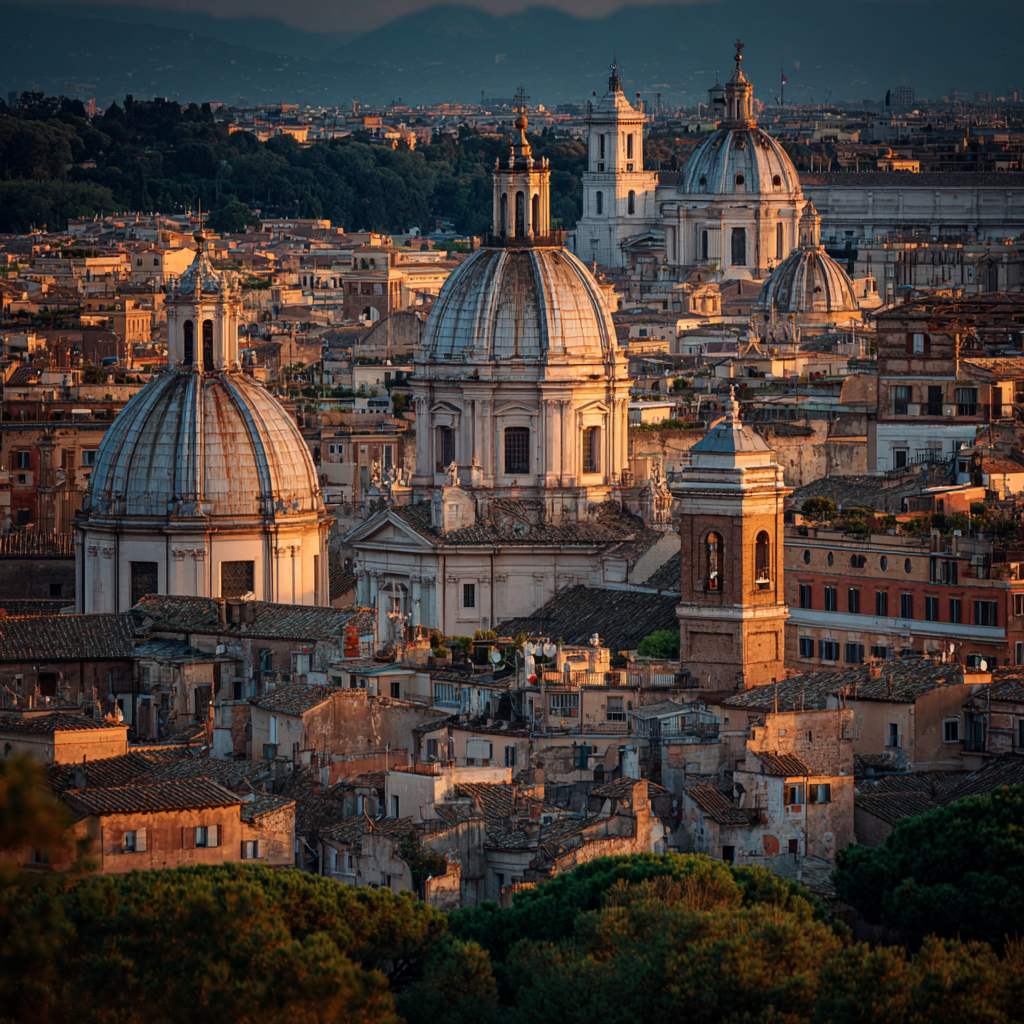
Step 1: Morning - Wake Up with the Streets
Rome wakes slowly, but it wakes beautifully. Start early in Trastevere, one of the city’s most charming neighborhoods. Cobbled streets, ivy-covered buildings, tiny cafés, and the faint sound of church bells create the perfect morning atmosphere. Wander without a strict plan. Stop when you see something that feels alive - a small bakery, a street artist, or a cat lounging in the sun.
Breakfast here is sacred. Grab a cornetto (Italian croissant) and a cappuccino at a local bar. Don’t sit too long indoors if you can avoid it - Italians love sipping outside, watching the streets fill with life. Let yourself observe. Kids with backpacks, delivery scooters zipping past, locals greeting each other. This is Rome in motion, slow and vibrant at the same time.
After breakfast, walk toward the Piazza Santa Maria and explore side streets. Trastevere is filled with hidden courtyards, small fountains, and quiet churches. Each turn tells a story. Don’t focus on ticking off monuments. Focus on noticing the details - the patterns in the stone, the way sunlight hits a wall, the smell of freshly baked bread or brewing coffee.
Step 2: Afternoon - Classic Rome, But at Your Pace
After a relaxed morning, it’s time to see some classic Rome, but without the usual rush. The Pantheon is a perfect start. Step inside, look up at the dome, and feel the weight of history pressing gently on you. No need to read every plaque or guidebook explanation. Let the building speak to you.
Next, wander through Piazza Navona. The fountains, the artists, the outdoor cafés - it’s vibrant and alive. You don’t need to sit down immediately. Walk slowly, watch the details, maybe pick up a gelato from a nearby stand. People-watch. Notice the way locals and tourists mix, the small shops tucked in corners, the musicians playing at the edges of the square.
Lunch is best at a small trattoria off the main streets. Ask locals for recommendations if you can. Try cacio e pepe, carbonara, or a fresh pasta of the day. Portions are usually modest, but flavors are immense. Pair it with a glass of local wine, or just sparkling water if you prefer. Meals in Rome are as much about experience as taste - enjoy the conversation, the smells, the slow rhythm of eating.
After lunch, take a walk toward the Campo de’ Fiori. The square is famous, but the surrounding streets often hide quieter gems. Small artisan shops, flower stalls, and side courtyards make wandering rewarding. Rome is not about finishing a checklist; it’s about noticing, tasting, and pausing.
Step 3: Evening - Sunset, Squares, and Night Life
Evening in Rome is magical. Start with a stroll to Piazza Venezia and admire the Altare della Patria, the grand white monument that seems impossibly large until you see it in person. From there, meander toward the Trevi Fountain. Go slightly off the main paths if you can - the alleys nearby are often quieter, with tiny bars and gelaterias tucked in corners.
Dinner is best small and simple. A neighborhood trattoria with candles on the tables, local ingredients, and a relaxed pace is perfect. Try Roman specialties like saltimbocca alla romana or abbacchio if you’re feeling adventurous. Don’t rush. The Italians believe food is meant to be savored, not swallowed.
After dinner, take a slow walk through the streets around Piazza di Spagna. The Spanish Steps are crowded, but the surrounding streets are charming and full of life at night. Street lamps cast golden light on old buildings, and sometimes you’ll hear music drifting from a café or a piazza. Sit if you want, or just keep wandering. The city has a rhythm of its own, and it’s infectious.
If you still have energy, find a small wine bar or a gelato shop. Rome at night is intimate, quiet, but alive. The key is not to rush. Enjoy the contrast - the historic streets, the modern life, and the little details you might miss in the daytime crowds.
Quick Tips for a Slow Rome
Walk often. Rome is best seen by foot. Scooters are fun to watch but exhausting to ride in.
Go early. Morning light and quiet streets make all the difference.
Eat intentionally. Stop often, try small dishes, and pair them with conversation or observation.
Pause for details. Fountains, doorways, tiles, statues - these little things make Rome feel alive.
Skip some landmarks. You can’t see everything, and that’s okay. Focus on a few key experiences and the neighborhoods in between.
Why “Rome Without the Rush” Works
Rome is a city that overwhelms if you try to see it all. Three steps, simple structure, and a slow pace let you experience it fully without exhaustion. Mornings in Trastevere give intimacy and charm. Afternoons with the Pantheon and piazzas give history and classical beauty. Evenings bring magic, light, and reflection.
This approach isn’t about avoiding famous sites. It’s about pacing, noticing details, tasting the food, and letting your curiosity guide you. Rome is not a checklist city - it’s a city to feel, smell, hear, and taste.
By the end of the day, you’ll have walked cobblestone streets, seen timeless monuments, tasted local flavors, and felt the rhythm of life. You won’t have rushed, and that’s exactly how Rome wants you to see it.
Mini-Itinerary
Morning: Trastevere wander, breakfast at a local café, cobbled streets and hidden fountains.
Afternoon: Pantheon, Piazza Navona, small trattoria lunch, walk toward Campo de’ Fiori.
Evening: Piazza Venezia, Trevi Fountain area, neighborhood dinner, Spanish Steps, optional wine bar or gelato.
Even if you don’t follow the route exactly, the steps give you a framework to enjoy Rome slowly. The city rewards observation, curiosity, and patience.
Rome is not about speed. It’s about moments, layers of history, small details, and pauses between cobblestones. Take your time. Walk slowly. Eat slowly. See slowly. And when you leave, you’ll feel like you’ve truly touched the soul of the Eternal City.