Step 1: Wake Up Slowly and Find Your Flow
Paris in the morning is something else. The air smells faintly of fresh bread, coffee, and rain on stone. You don’t have to rush to every museum or monument. Instead, take the first hours to feel the city breathing around you.
Start in a neighborhood that feels alive without being overwhelming. The Marais is perfect for this. Narrow streets, tiny boutiques, patisseries with windows full of colorful éclairs, and small squares where people sit on benches and sip coffee like it’s a sacred ritual. Walk without a map for a bit - get lost, intentionally. The Marais is full of surprises, from centuries-old architecture to street art tucked in corners.
Breakfast is important. Grab a croissant - not the prepackaged kind, a real one from a boulangerie where the smell hits before you even step in. Pair it with a café au lait. Sit outside if you can. Watch the city wake up, listen to snippets of French conversation that make your ears happy, and just breathe.
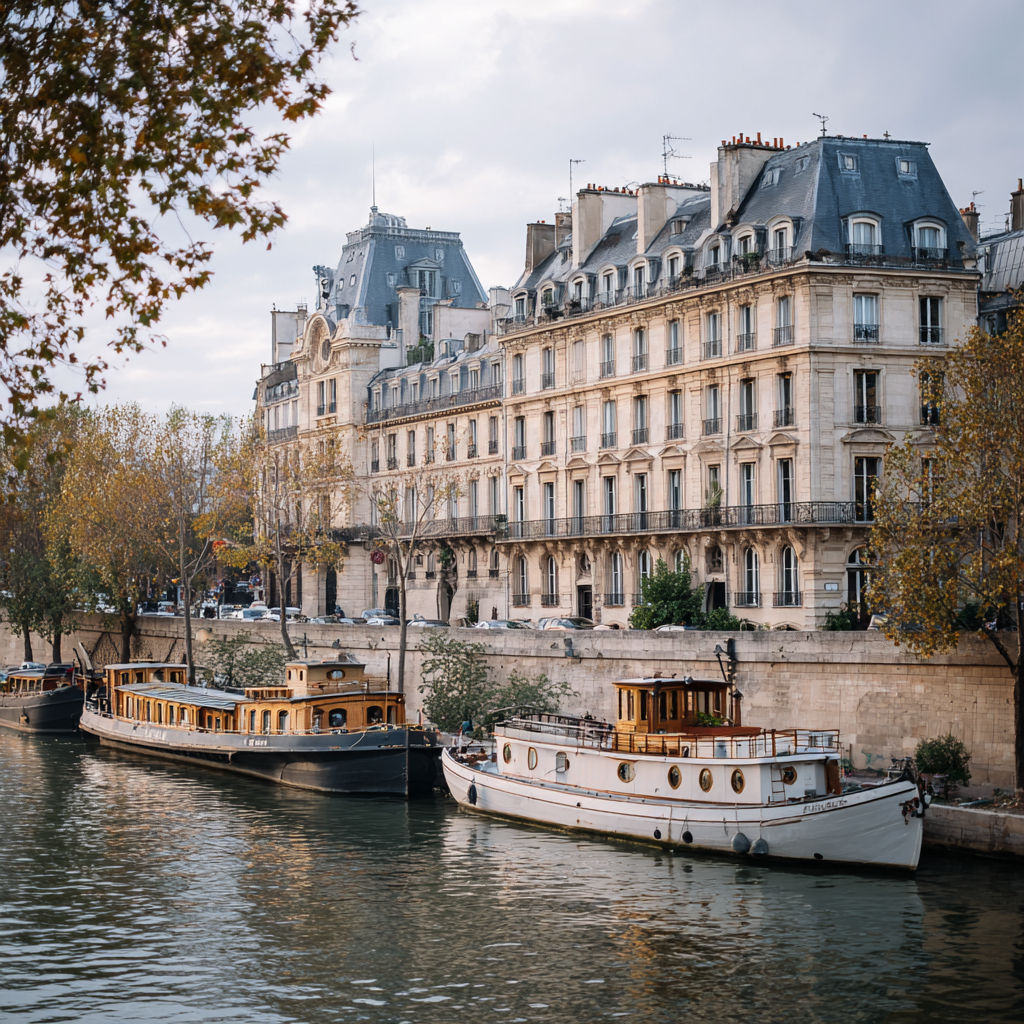
After breakfast, pick a slow route along the Seine. There’s a magic in walking beside the river, especially early when the light hits the water just right. Pont Neuf, the oldest bridge, has views that are classic but never boring. And street vendors often sell tiny vintage books, postcards, or quirky souvenirs. Don’t overthink purchases. Let yourself wander.
If museums are on your radar, consider the Louvre or Musée d’Orsay, but pick just one. With limited time, it’s better to experience a few masterpieces in depth than rush through corridors filled with hundreds. Trust me, a quiet moment in front of a painting that catches your eye will stick with you far longer than checking off a “must-see” list.
Step 2: Eat, Explore, and Let the Streets Lead
Lunch in Paris is a ritual. It’s not just about eating - it’s about sitting, watching, feeling. Small bistros are everywhere, many tucked into streets you might miss if you follow only tourist maps. Try duck confit, a simple salad, or even just a baguette sandwich stuffed with ham and cheese, eaten standing at the counter like a local. Don’t skip the wine - even a small glass will make your meal feel authentic.
After lunch, explore on foot. Paris is best discovered by walking, because every corner hides something special. The Latin Quarter, for instance, is a labyrinth of streets, little bookshops, and old universities. Stop when you see something that catches your eye - a tiny garden, a doorway covered in ivy, a café that smells like history. Take pictures, or don’t. Sometimes the memory is enough.
If the weather’s good, climb Montmartre in the afternoon. The streets are steeper than they look, and yes, your legs will protest, but the view from Sacré-Cœur is worth every step. Montmartre has that bohemian feel, full of artists painting in the streets, cafés where time seems to slow down, and little shops selling things you didn’t know you needed. Watch the sunset if you can - the city lights start to twinkle, and suddenly the Eiffel Tower sparkles in the distance.
Evening is the perfect time for something simple but iconic - a stroll along the Seine, past Notre-Dame (even if it’s under reconstruction, the façade is still breathtaking), or a little detour to Île Saint-Louis, where the ice cream from Berthillon is practically a rite of passage.
Step 3: Night Magic and Small Adventures
Paris at night is a different city. Softer, intimate, but still alive. Forget trying to hit every bar or nightclub. Instead, focus on small adventures that feel personal.
Dinner can be a casual affair. Small restaurants in the Marais or Saint-Germain offer menus that change daily, depending on what’s fresh. Order something that sounds strange to you, trust the chef, and enjoy the process. Food in Paris is a conversation, not a task.
After dinner, take the metro or walk to the Eiffel Tower. Yes, it’s cliché, but seeing it sparkle at night is unforgettable. You don’t need to go up - standing on the Champ de Mars, looking at it with a warm crêpe in your hand, counts as a full experience.
If you still have energy, find a little jazz club or a wine bar tucked down a side street. These spots often have locals, not tourists, and the vibe is relaxed and spontaneous. Don’t overplan this part. The beauty of Paris is sometimes in unexpected encounters - a musician playing on a corner, a conversation struck up in broken French, or just watching the city glow in silence.
Tips to Keep It Simple
Pack Light: Weekends are for walking. Bring a comfortable bag, good shoes, and a sense of humor.
Use Public Transport: Metro lines are confusing at first, but they’ll save you time and energy. Maps are everywhere.
Don’t Overbook: Three steps are plenty. Paris has a way of revealing itself slowly. Less is more.
Eat Often: Snacks, pastries, cheese, chocolate - don’t feel guilty. Meals are part of the journey.
Observe Small Details: Street signs, door handles, window boxes, little fountains. They tell stories.
Why Three Steps Work
The idea of three steps isn’t about limiting experience. It’s about focus. A weekend in Paris can feel overwhelming, but breaking it into three stages - morning flow, midday exploration, and evening magic - gives you breathing room. It also allows for spontaneity. You’ll still stumble into things you didn’t expect, meet people, find hidden cafés, and discover streets that aren’t in guidebooks.
A Paris weekend isn’t about checking boxes. It’s about tasting, seeing, and feeling. It’s about understanding why every street, every café, every corner has a story, and letting yourself be part of it, even briefly.
Quick Mini-Itinerary
Morning: Marais, croissant, café au lait, stroll along the Seine, optional museum.
Afternoon: Latin Quarter or Montmartre walk, lunch at a small bistro, streets, views, small shops.
Evening: Dinner at a local restaurant, Seine stroll, Eiffel sparkle, jazz or wine bar adventure.
Even if you follow this plan loosely, you’ll leave Paris with a sense of accomplishment - not from seeing everything, but from feeling it, tasting it, and moving through it in your own pace.
Paris is one of those cities that rewards patience and curiosity. You don’t need more than a weekend. Just these three steps, a few sneakers, and an open mind. Wake up slowly, let the streets guide you, and end the day with a little magic. That’s Paris.
And when you leave, you’ll be thinking already about the next weekend, maybe imagining yourself in Montmartre again, with the smell of fresh bread in the air, and the city stretching endlessly before you.