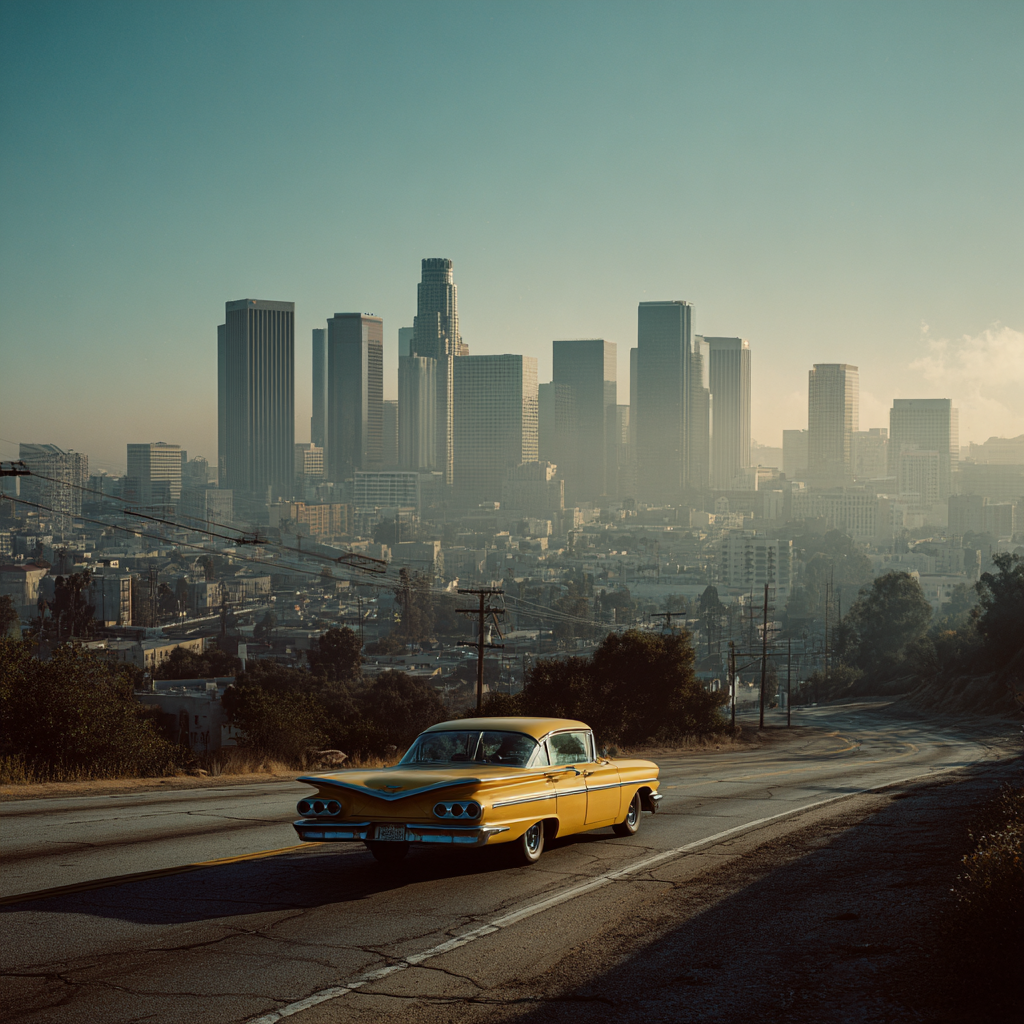
Step 1: Morning - Start Small and Local
Begin your day in Downtown L.A., a part of the city many people skip in favor of Hollywood or the beach. Downtown wakes slowly on weekdays, but weekends have their own rhythm. Start with a coffee from a small café in Historic Core or Arts District. Sip it outside if you can - the streets are alive with early joggers, delivery cyclists, and artists setting up studios.
Once caffeinated, wander the area. The architecture here is a mix of old and new - Art Deco skyscrapers from the 1920s, renovated warehouses now housing galleries, and modern office towers. Don’t rush. Look up at details you might miss from a car - ornate façades, murals tucked in side streets, small courtyards.
For breakfast, try a local pastry or a small sandwich. L.A. has countless hidden bakeries, and Downtown’s cafes often feature creative takes on classics. Stand at the counter if you like - it’s part of the vibe. Morning here is quiet enough to enjoy small moments, but alive enough to feel the city breathing around you.
Step 2: Afternoon - Neighborhoods and Streets
After morning exploration, move toward Echo Park or Silver Lake. Both neighborhoods are walkable, vibrant, and full of surprises. Streets are lined with vintage shops, murals, and independent cafés. Stop at one for a light lunch - maybe a salad, sandwich, or tacos from a small taqueria. Eating slowly is part of the experience.
Walk along Echo Park Lake if you’re in the area. The paddle boats are fun, but just wandering the paths gives you a sense of community and greenery amidst the city. You’ll notice local families, street performers, and sometimes pop-up markets. It’s a side of L.A. you rarely see from a freeway.
Next, wander toward Downtown Arts District if you haven’t already. This area is packed with murals, galleries, and coffee shops. Stop, look, maybe chat with an artist or shop owner. Many places have small outdoor seating where you can pause, notice the buildings, the details, and the street life.
Biking or using a scooter works well in these neighborhoods too. It allows you to cover more ground without feeling disconnected. The key is flexibility - follow what looks interesting, not what’s on a rigid plan. L.A. rewards curiosity.
Step 3: Evening - Sunset Views and Night Streets
Evening is perfect for Griffith Park or Griffith Observatory. You don’t need a car to get here - ride a bus, take a shared scooter, or join a small walking group. Sunset from Griffith Observatory is iconic. The city stretches beneath you, the mountains on one side, the Pacific on the other, and the skyline lights beginning to glow. Pause, breathe, watch planes take off from LAX in the distance. It’s a rare moment of calm in a city known for speed.
After sunset, head back to neighborhoods like Silver Lake or Los Feliz for dinner. Small bistros, casual taco spots, and late-night cafés abound. Try local flavors - California-style cuisine, fresh seafood, or fusion dishes. L.A. food is creative, informal, and often tells a story about the community.
Nighttime in L.A. is quieter than New York or Chicago, but streets still hum with life. Walk slowly along residential areas, notice the mid-century homes, street art, and hidden alleys. The city feels personal at night, and moving without a car allows you to absorb it fully.
Tips for Exploring L.A. Without a Car
Plan your routes. Some neighborhoods are more walkable than others. Downtown, Silver Lake, Echo Park, and Venice are ideal.
Use public transit or scooters. Metro lines, buses, or rentable scooters make covering distance easier.
Wear comfortable shoes. Hills, long blocks, and uneven sidewalks demand it.
Follow your curiosity. The city rewards wandering alleys, small parks, and street art.
Eat along the way. L.A.’s food scene is scattered - small bites, street tacos, coffee shops - all part of the adventure.
Why This Walk Works
Los Angeles is often associated with cars and highways, but walking or biking lets you see a side of the city that’s alive, personal, and creative. Morning in Downtown gives history and architecture, afternoon in neighborhoods brings street life and art, and evening atop Griffith Park offers perspective and calm.
This approach isn’t about covering everything. It’s about noticing details, connecting with neighborhoods, and feeling the city’s pulse. L.A.’s charm is in its contrasts - skyscrapers next to bungalow homes, murals beside corporate buildings, green hills above urban streets.
By walking, biking, or scootering, you get to experience L.A. slowly - tasting, smelling, observing, and sometimes chatting with locals. It’s a version of the city most visitors never see.
Quick Mini-Itinerary
Morning: Downtown L.A., Historic Core, Arts District, small café breakfast, architecture walk.
Afternoon: Echo Park and Silver Lake neighborhoods, lunch at local café or taqueria, Echo Park Lake, Arts District murals.
Evening: Griffith Observatory sunset, dinner in Silver Lake or Los Feliz, evening walk through residential streets and hidden alleys.
Even if you skip some stops, these steps give a framework to experience L.A. without relying on a car. It’s slower, more intimate, and surprisingly doable.
Los Angeles beyond the car is a city of details, contrasts, and small surprises. You notice the murals, the parks, the tiny cafés tucked into alleys. You see the city living in layers, rather than speeding past it on a freeway. Walking and biking let you feel L.A. at its own pace - creative, sprawling, vibrant, and endlessly interesting.