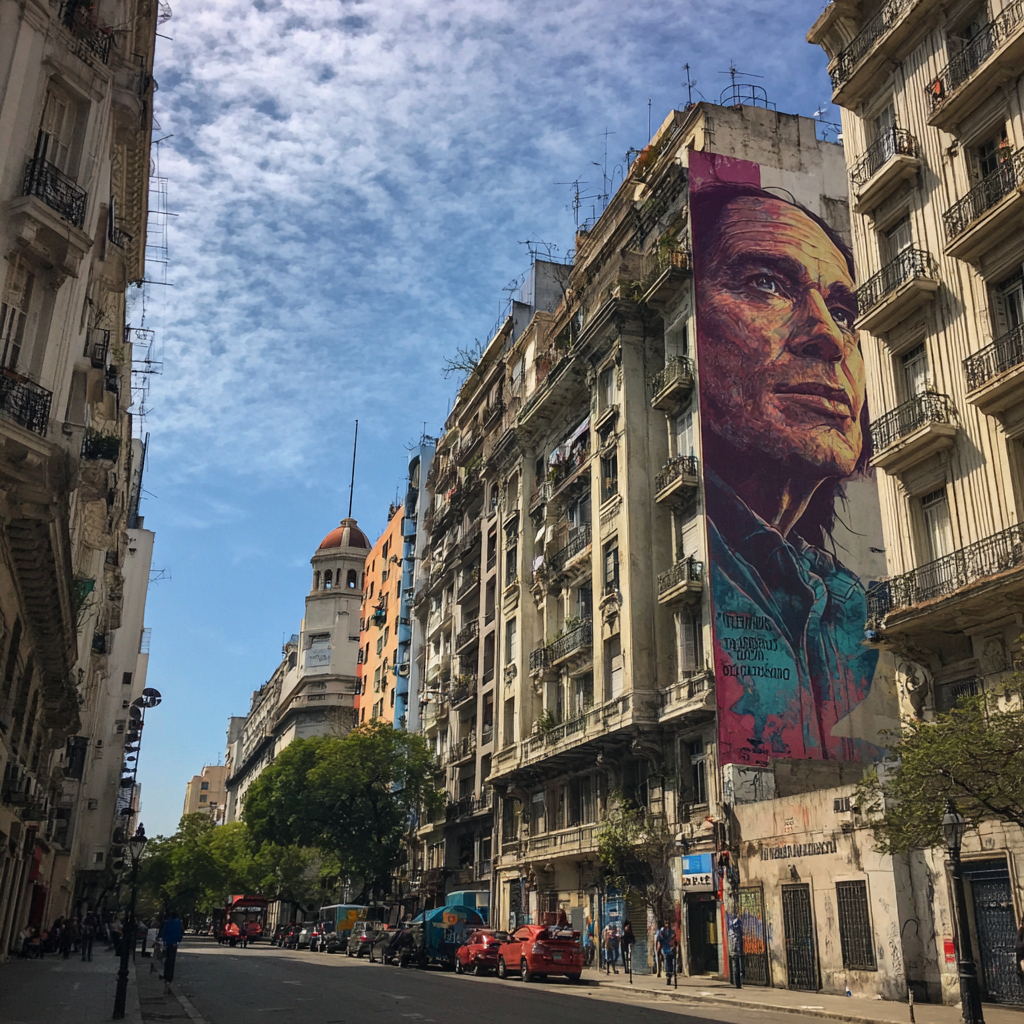
Step 1: Morning - Historic Center and Cafés
Start your day in Plaza de Mayo, the heart of Buenos Aires. The Casa Rosada, cathedral, and surrounding streets are stunning in morning light. Take a slow walk around the plaza. Notice details - the ornate balconies, statues, and the way sunlight hits the old stone. Vendors may be setting up small stalls, and the streets have a quiet rhythm before the crowd arrives.
Breakfast is essential, and Buenos Aires has cafés that feel like time capsules. Grab a medialuna (Argentine croissant) and café con leche at a traditional café nearby. Sit, watch the plaza wake up, and let your eyes wander. Locals, early office workers, and a few tourists mingle quietly. There’s a rhythm here that feels human, alive, and distinctly porteño.
After breakfast, wander toward Calle Florida, the pedestrian street lined with shops and street performers. Don’t rush. Pop into a small bookstore, notice murals or posters on walls, and pay attention to the energy of people walking past. Buenos Aires is a city of details, and the morning is perfect for catching them.
Step 2: Afternoon - Neighborhood Walks and Local Life
After exploring the historic center, head toward San Telmo. Cobblestone streets, colonial buildings, and small cafés make this neighborhood a classic introduction. Stop at a café or small restaurant for lunch - perhaps empanadas, grilled meat, or a sandwich. Eat slowly, enjoying the flavors and observing street life. Street performers, vendors, and locals moving about make the neighborhood feel like a living museum.
Next, wander toward La Boca. While it’s touristy, the colorful houses, murals, and lively streets are worth seeing. Don’t stick to the main street - explore side streets where locals live, notice murals, small shops, and street art that often tells stories of the neighborhood. Take photos if you like, or just watch the energy unfold.
If time allows, stop at a small park or plaza. These spots often reveal everyday life - kids playing soccer, couples walking, vendors selling snacks. Buenos Aires street life is not just about landmarks - it’s about observing rhythms, interactions, and subtle moments that make the city feel human.
Step 3: Evening - Sunset, Tango, and Night Streets
Evening is perfect in Puerto Madero or along Avenida de Mayo. The light reflects on the river in Puerto Madero, creating golden glimmers across modern bridges and old docks. A short walk along the waterfront gives perspective on the city - historic buildings across the river, new apartments, and boats drifting quietly.
Dinner is best at a local parrilla (steakhouse) or casual restaurant. Try asado, provoleta, or milanesa with a glass of local wine. Eating slowly is part of the experience - conversations, smells, and flavors merge with the surrounding streets, creating a sensory tapestry.
After dinner, explore San Telmo or Palermo Soho streets again. Music often drifts from cafés or small bars. Tango dancers sometimes perform in plazas or on sidewalks. Street art, neon signs, and the evening glow create a lively but intimate vibe. Walking slowly, pausing at corners, and observing people gives a strong first impression of the city - vibrant, layered, and human.
Tips for Experiencing Buenos Aires
Wear comfortable shoes. Streets can be cobblestoned and uneven.
Carry a small bag. Water, snacks, and camera are handy.
Follow your curiosity. Small streets, plazas, and side alleys often reveal more than main roads.
Pace yourself. Meals, coffee breaks, and pauses make the city’s rhythm more enjoyable.
Observe, don’t just photograph. Street life, interactions, and details tell the story of the city.
Why This Walk Works
Buenos Aires is a city of layers - colonial architecture, modern streets, historic plazas, and lively neighborhoods. Walking or using short transit rides lets you absorb the city without feeling rushed. Morning in Plaza de Mayo gives history and architecture, afternoon in San Telmo and La Boca shows neighborhoods and street life, and evening along the river or in plazas gives reflection, music, and nightlife.
By moving slowly, you notice small but meaningful details - murals, signage, street performers, and the energy of locals. Buenos Aires isn’t just a city to see - it’s a city to feel, taste, and hear.
Mini-Itinerary
Morning: Plaza de Mayo, Casa Rosada, Cathedral, Calle Florida, breakfast at a café.
Afternoon: San Telmo cobblestone streets, lunch at a small restaurant, La Boca colorful houses, side streets exploration.
Evening: Puerto Madero or Avenida de Mayo waterfront, dinner at a parrilla, stroll through San Telmo or Palermo Soho, optional tango or street music.
Even if you skip stops, these three steps provide a flexible framework to experience Buenos Aires for first-time visitors, blending history, neighborhoods, and street life.
Buenos Aires is best explored slowly, with open eyes and a willingness to pause. The city’s energy, colors, smells, and sounds layer together. Walking allows you to see more than landmarks - you notice interactions, murals, music, and aromas that make the city alive. First impressions linger when you move at the city’s rhythm, absorbing moments rather than rushing through them.