Step 1: Morning - Historic Heart and Classic Contrasts
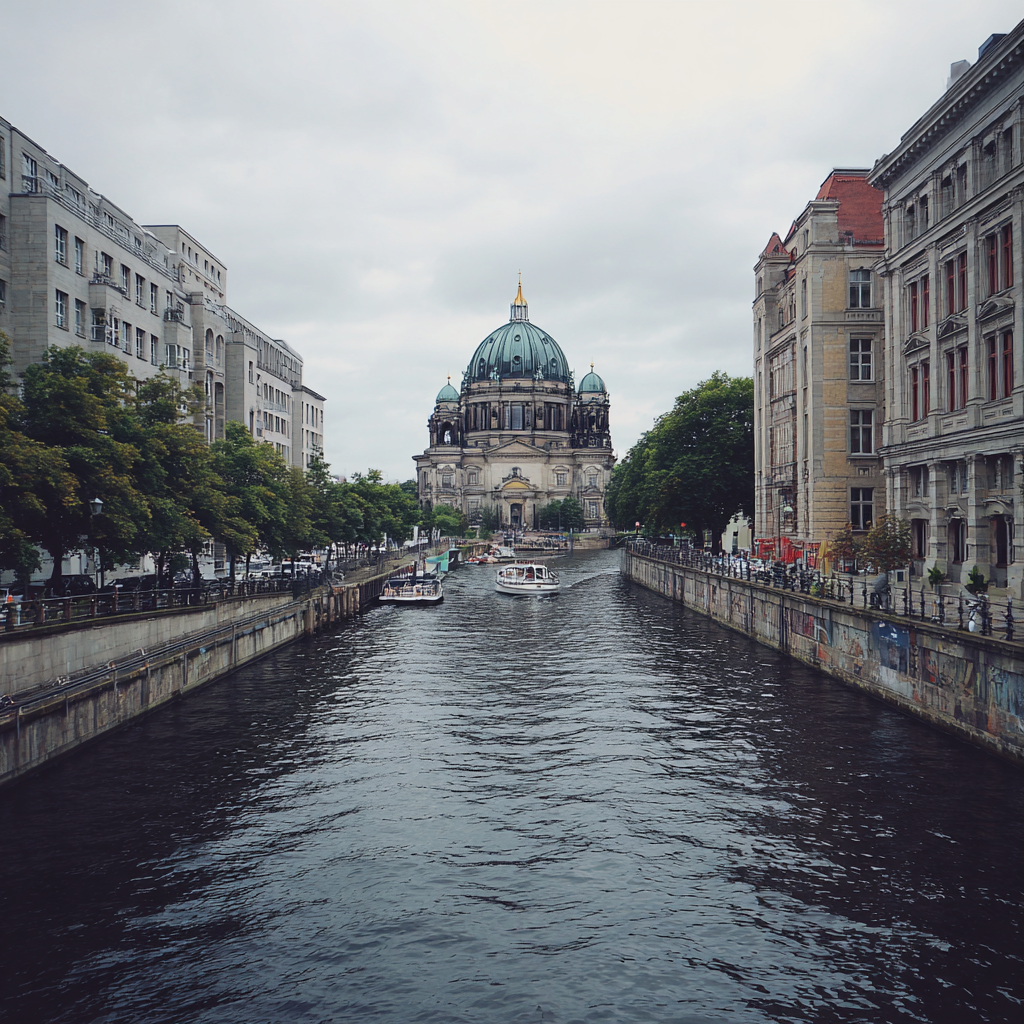
Start your day in the Mitte district. Mitte is Berlin’s historic core, the place where old and new collide. Begin at Museum Island. Even if you don’t go inside all the museums, the buildings themselves are worth seeing. The Neoclassical façades, the stone columns, the quiet courtyards—it’s a reminder of Berlin before the bombs and the division.
Then wander toward the Berlin Cathedral. Its dome is massive, imposing, and a bit theatrical, but it’s also a symbol of the city’s resilience. Take a moment to notice the details - the ornate stonework, the sculptures, and how sunlight hits the sandstone at different angles. Don’t rush. Architecture isn’t a checklist; it’s a way to feel history under your feet and above your head.
From here, walk along the Unter den Linden boulevard. Wide, straight, and lined with lime trees, it’s perfect for seeing old government buildings, embassies, and remnants of Prussian grandeur. Keep an eye out for contrasts: modern glass office buildings tucked between Baroque and Neoclassical façades. Berlin’s architecture is full of these juxtapositions, a visual story of time, politics, and reconstruction.
Step 2: Afternoon - Modern Berlin and the Bauhaus Legacy
After lunch, it’s time to see the Berlin that rose from ashes. Start with the Gendarmenmarkt. The square itself is classical, but nearby buildings show subtle modern touches. Grab a quick snack at a café and watch locals and tourists pass, their pace reminding you that these buildings aren’t just monuments—they’re part of daily life.
Next, head toward Kreuzberg or Prenzlauer Berg to explore Berlin’s modernist and Bauhaus architecture. Berlin has hundreds of Bauhaus-style buildings, with their clean lines, functional design, and minimal ornamentation. Look for the geometric shapes, flat roofs, and the way windows are arranged to let in maximum light. Even small apartment blocks tell a story about social ideals and urban planning after the war.
If you’re into contemporary architecture, don’t miss the Berlin Hauptbahnhof (main train station). It’s massive, made almost entirely of glass and steel, and it’s a bit dizzying at first. Watch how light moves through the building at different times of day. Notice the bridges, platforms, and open spaces—it’s architecture designed for flow, movement, and transparency.
Midday Tip: Street-Level Architecture
While walking between districts, pay attention to Berlin’s street-level details. Old doorways, graffiti, repurposed industrial buildings, even fences and windows are part of the architectural story. In Berlin, history isn’t always preserved in grand buildings; sometimes it’s tucked into small streets, old factories, or corner cafés. Stop, look, and let yourself wander a bit.
Step 3: Evening - Remembrance, Contrast, and Night Light
The final step of your architectural journey is about reflection. Head toward the East Side Gallery, the long stretch of the Berlin Wall covered in murals. The wall itself is brutal, simple concrete, yet the art covering it tells a story of hope, freedom, and creativity. At sunset, the colors of the murals pop, and the reflection in nearby water gives the whole scene a quiet majesty.
From here, walk along the Spree River. Modern buildings line the banks: sleek apartments, tech company headquarters, and cultural spaces. The contrast between old brick warehouses converted into galleries or restaurants and these new constructions shows how Berlin embraces its past while moving forward.
If you have the energy, finish your evening at Potsdamer Platz. This area is pure modernity, full of glass towers, neon lights, and busy streets. But look closer. Some of the streets retain hints of old Berlin, fragments of pre-war buildings that survived, tucked between shiny high-rises. It’s a reminder that Berlin’s architecture is not only about style, but about resilience and change.
Tips for Your Berlin Architecture Walk
Comfortable shoes are a must. Cobblestones, long streets, stairs - your feet will thank you.
Bring a small camera or notebook. Even quick sketches or photos of interesting façades help you remember details.
Timing matters. Morning light brings warmth to classical buildings, afternoon highlights modern glass, and evening lights make contemporary structures glow.
Follow your curiosity. Some of the best spots are small streets, side alleys, and quiet squares.
Public transport is your friend. Berlin is big, but trains, trams, and buses are reliable and convenient.
Why This Walk Works
Berlin’s architecture tells the story of a city constantly in flux. It’s not just about old versus new. It’s about surviving wars, ideological divisions, and urban reconstruction. A one-day walk can capture this contrast if you focus on layers instead of landmarks.
Morning in Mitte gives you the classical backbone of the city. Afternoon in Kreuzberg, Prenzlauer Berg, or the Hauptbahnhof shows modernism and functional beauty. Evening by the East Side Gallery and Potsdamer Platz reminds you that architecture isn’t static - it’s lived, breathed, and sometimes rebellious.
By following this simple three-step framework, you see the city’s soul through buildings, streets, and small details. You notice how Berlin balances history and innovation, monument and home, tragedy and hope.
Quick Mini-Itinerary
Morning: Museum Island, Berlin Cathedral, Unter den Linden, small walks in Mitte.
Lunch: Café or bistro near Gendarmenmarkt.
Afternoon: Kreuzberg and Prenzlauer Berg Bauhaus architecture, Berlin Hauptbahnhof, street-level exploration.
Evening: East Side Gallery, Spree River walk, Potsdamer Platz at night.
Even if you don’t follow every street perfectly, this route captures Berlin in a single day. It’s about seeing the contrasts, feeling the city, and understanding the layers that make Berlin unique.
Berlin is messy, thoughtful, resilient, and alive - all at the same time. Its architecture reflects that. One day is enough to glimpse the story, but you’ll likely leave wanting to return. To discover more corners, hidden passages, and buildings with stories waiting quietly for someone curious enough to notice.