Step 1: Start at La Boqueria - Feast with Your Eyes
La Boqueria market on Las Ramblas is a classic, yes, but it’s also the beating heart of Barcelona’s food culture. Arrive early to avoid the crowds. The colors hit first: stacks of oranges, piles of shiny fish, cured meats hanging in rows, vibrant peppers and tomatoes. The smells hit next - salt, citrus, grilled meat, fresh pastries. And finally, the sounds - vendors shouting prices, locals bargaining, a chef explaining his freshest catch to a curious tourist.
Don’t just look. Taste. Try a fresh fruit juice or a slice of jamón ibérico. Walk slowly through the stalls, take in the small details - the old scales, hand-written signs, tiny pieces of Catalan graffiti. If you want something sweet, grab a fresh pastry from one of the market bakers. A croissant stuffed with cream, or a coca de llardons if you’re adventurous.
Markets like La Boqueria aren’t just about food - they’re about the rhythm of the city. You see locals stocking up for lunch, tourists gawking, and chefs selecting their ingredients. Take it all in. It’s a full sensory introduction to Barcelona.
Step 2: Tapas and Neighborhood Cafés
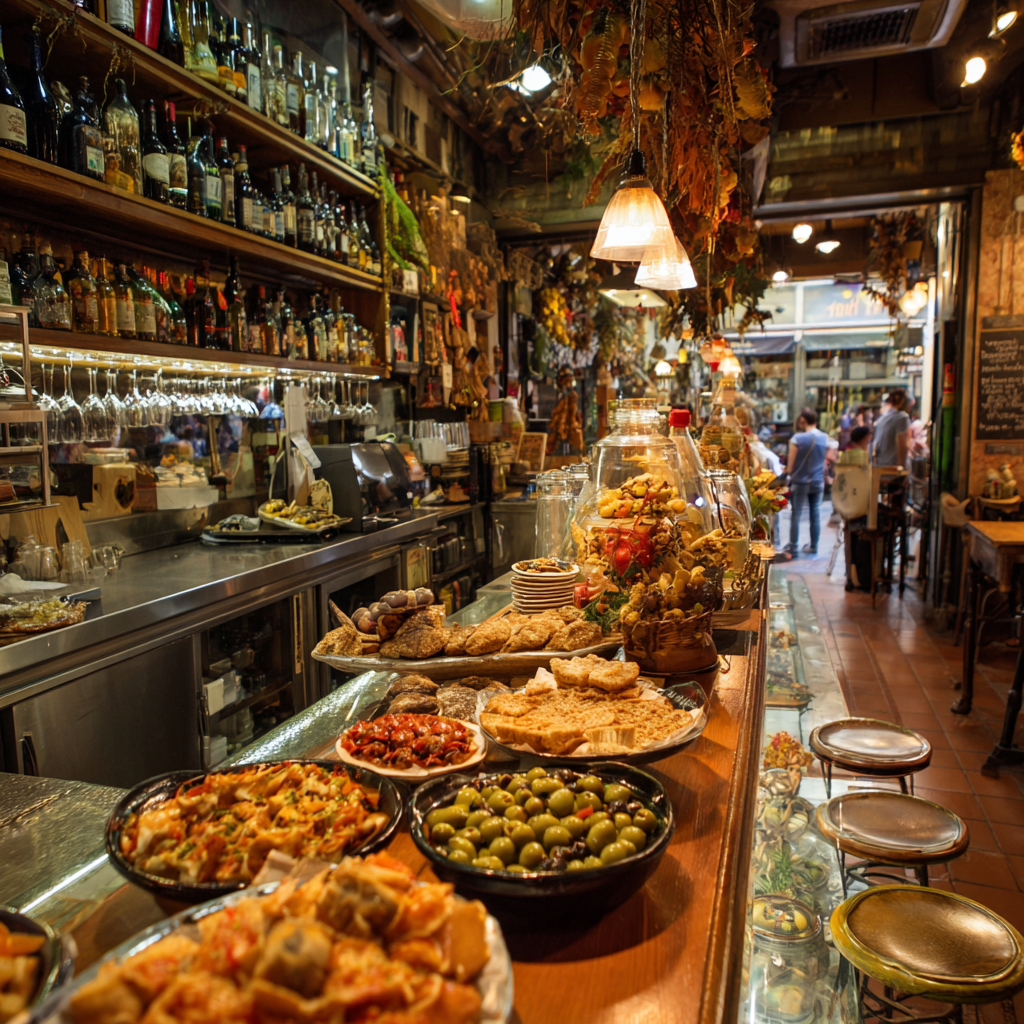
After the market, wander into the Gothic Quarter. Its narrow, winding streets are full of hidden tapas bars, each with its own personality. Stop wherever the aromas pull you in. A few small dishes go a long way here - patatas bravas with smoky aioli, grilled octopus, or tiny fried anchovies. Pair it with a glass of vermut or local wine. Sit at the bar if possible, because you get the full experience - watching the bartender, chatting with neighbors, noticing how the place feels alive and casual.
If you prefer a sit-down lunch, the Born district has little spots that focus on seasonal Catalan cuisine. Try escalivada - roasted peppers and eggplant drizzled with olive oil. Or fideuà, a noodle-based cousin of paella that often surprises visitors with its rich, seafood flavor. Portion sizes aren’t huge, but that’s perfect. Barcelona is about tasting, not stuffing yourself.
A key trick: follow the locals. Bars with groups standing outside mid-afternoon, glasses in hand, usually mean good food and fair prices. Skip the overly touristy spots, even if they look cute. The real flavor is in the alleys and side streets.
Step 3: Sweet Strolls and Coffee Breaks
No Barcelona food walk is complete without something sweet. After tapas, wander toward El Raval or Gràcia neighborhoods. These areas are filled with small bakeries, chocolaterías, and gelaterias. Try churros con chocolate, or a slice of crema catalana - similar to crème brûlée, but lighter and with a subtle citrus note.
Coffee is also part of the experience. Forget the huge latte you might get elsewhere - in Barcelona, order a small café solo. Sip slowly, sit at a terrace, and watch people pass. Often, it’s in these quiet moments that you notice small details - a musician setting up on the corner, the way light falls on a narrow street, the scent of freshly baked bread from a nearby bakery.
Markets, Snacks, and Small Adventures
If you still have energy, consider popping into another neighborhood market, like Mercat de Sant Antoni, less crowded but equally alive. Here, you can find local cheeses, cured meats, and small pastries that you might not see in La Boqueria. Try a small tasting of botifarra, a Catalan sausage, or nibble on olives marinated in herbs and garlic.
Another tip: take a small detour to a street food cart or small tapas stand. Often, the best flavors are in spots that don’t make it into guidebooks. The staff is usually friendly, and if you ask a simple “Què em recomana?” (“What do you recommend?”), they’ll point you toward something fresh and special.
Walking and Savoring
Barcelona is a walking city. Each street tells a story, and food is part of it. Don’t rush between stops. The narrow streets of the Gothic Quarter, the modernist façades of Eixample, the quirky plazas of Gràcia - all these spaces make eating feel like a journey.
Pause when you see something interesting. Maybe it’s a tiny chocolate shop with hand-painted tiles, a small barbershop with old signage, or a local painter setting up in a square. Let curiosity guide you. The food walk is as much about seeing, smelling, and listening as it is about eating.
Tips to Keep It Simple
Go hungry, but not starving: Small tastings add up, and you want energy to walk and explore.
Bring cash: Some smaller cafés or market stalls prefer euros, not cards.
Wear comfortable shoes: Cobblestones and narrow alleys are charming, but they can be tiring.
Follow your nose: Literally. Aromas often lead to hidden gems.
Talk to locals: Even a small “Bon dia” or “Gràcies” goes a long way and sometimes leads to insider tips.
Why a Local Food Walk Works
Barcelona is a city best discovered in bites. Literally. Small dishes, street snacks, pastries between cafés, gelato under the sun. By following your senses, you experience the real rhythm of the city. It’s not about ticking off famous restaurants or expensive eateries - it’s about discovery, improvisation, and trust.
Markets, neighborhood cafés, hidden bakeries - they give you stories, smells, and flavors that stay in your memory. You might forget one fancy restaurant, but you’ll remember that little bar in El Born with the perfect patatas bravas and a tiny balcony.
Quick Mini-Itinerary
Morning: La Boqueria, fresh fruit, jamón ibérico, pastries, wander Las Ramblas.
Lunch: Gothic Quarter or Born tapas bar, small plates, local wine.
Afternoon: El Raval or Gràcia sweet stops, café solo, churros or crema catalana.
Optional: Mercat de Sant Antoni tasting, small street food detour, wander neighborhood alleys.
Even if you only follow half of this plan, you’ll leave Barcelona with a sense of flavor, color, and rhythm that’s uniquely local.
Barcelona isn’t just a city to see - it’s a city to taste, walk through, and listen to. Your senses guide you here more than maps, and every corner hides something worth discovering. A food walk in Barcelona is messy, delicious, and wonderfully imperfect - just like the city itself.